If you’ve been in water damage restoration long enough, you know things don’t always go as planned. An insurance adjuster pushes back on your invoice. A client complains about drying times. Worse yet, you get a callback because mold shows up weeks after the job was “finished.”
That’s exactly why the IICRC S500 Standard for Professional Water Damage Restoration exists—to provide a clear, science-backed process for getting the job done right the first time.
What Is the IICRC S500 Standard and Why Should You Care?
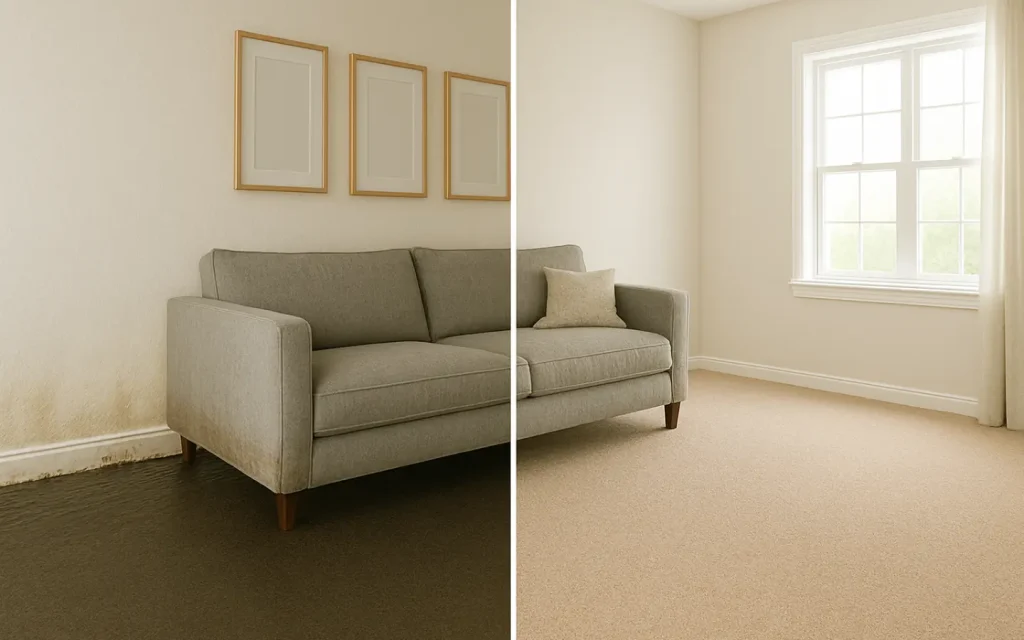
The IICRC S500 Standard for Professional Water Damage Restoration is what the industry recognizes as the right way to handle water damage jobs. It accurately lays out how to assess water losses, how to dry structures effectively, and document everything properly, so the job gets done safely and efficiently.
While it’s not a law, it’s what insurance companies and property managers expect you to follow. If there’s ever a dispute about drying times or the choice of equipment used, the first thing a restoration pro will ask is, “Did you follow the S500?” If you did, great—you have a solid case. If you didn’t, getting paid might be a whole different story.
How the IICRC S500 Helps You Do the Job Right
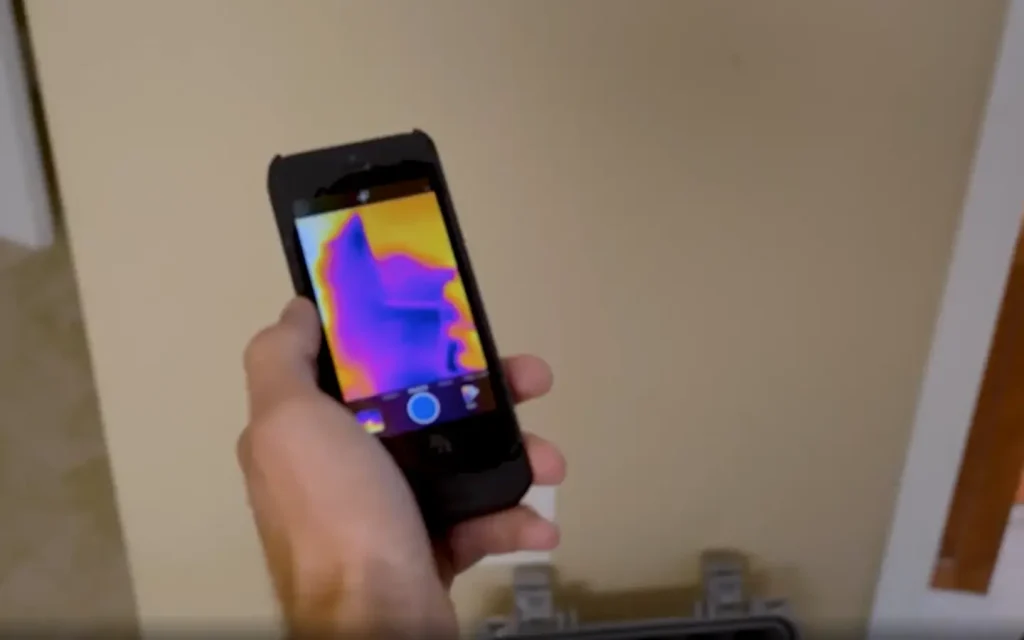
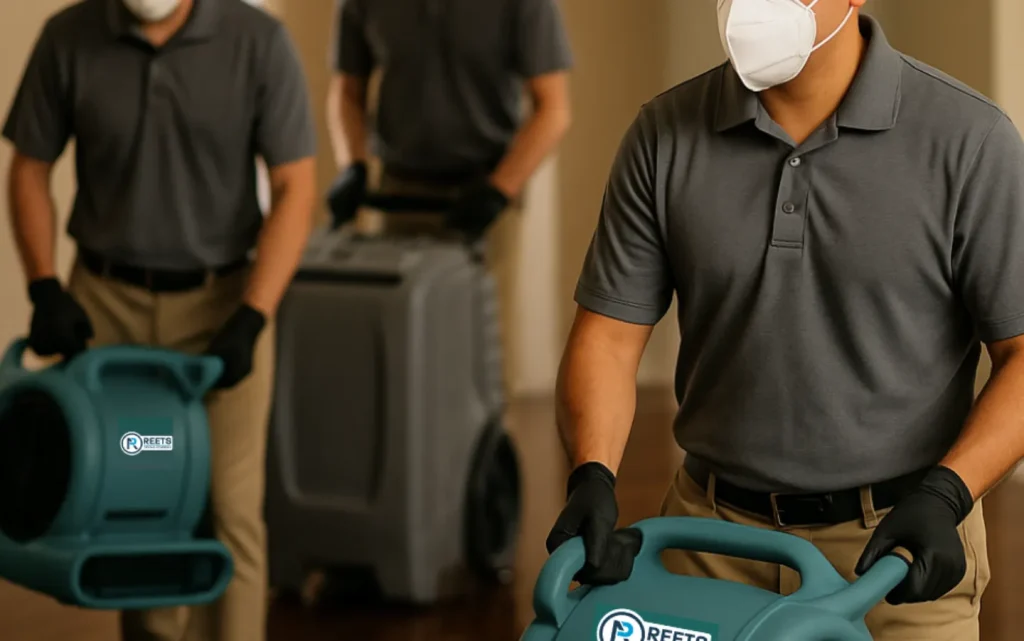
A lot of people think water damage restoration is just setting up air movers, running dehumidifiers, and taking a few moisture readings. But anyone who’s been in the field knows it’s not that simple.
How do you know if you’re using the right number of dehumidifiers? How do you justify what equipment you used if an adjuster pushes back? What if a customer questions you about why their drywall had to be removed instead of dried?
If you can’t answer these with confidence, then you need to read and know the IICRC S500.
One of the most important things it explains is how to classify water damage by categories. Following IICRC S500 drying standards also helps you figure out the right number of air movers, dehumidifiers, and air scrubbers, and how to document your work properly so you have proof to back up your decisions, and much more.
So, if you get into a situation where an adjuster might say, “You’re using too many air movers,” you don’t have to argue over anything. You show them the formula from the S500. Or, when a customer asks, “Why do I need an air scrubber?”, you can confidently explain why the S500 recommends it.
In this industry, guessing is NOT an option, so if you don’t know the standard, you’re risking money, disputes, and even liability issues.
IICRC S500 Updates, It’s Not a One-Time Thing
One of the biggest mistakes restoration professionals make is that they assume the IICRC S500 never changes. But just like everything else in this industry, it evolves. If you’re working off of old knowledge, you’re already falling behind.
The IICRC regularly reviews and updates the S500 to reflect the most up-to-date industry practices.
This means that what worked in 2015 may not necessarily be the best approach in 2025. Equipment may have improved. Maybe some new research has come out. All of this can affect drying techniques we use today, as well as how much you can get paid for your services.
This is why here, at Reets Drying Academy, we make sure our students stay ahead of the curve.
Our courses apply the most current versions of the IICRC Standards, including S500, and we help restorers understand how each new update might impact their work. Even If a new version introduced different moisture mapping techniques or adjusted air mover placement guidelines, you’ll know exactly what changed and how you can apply that to your work.
Why Training at Reets Drying Academy Gives You an Edge

At Reets Drying Academy we not only teach you all the theory you need and answer your questions, but we also train you for real restoration work. In our flood house, you’ll practice placing equipment, tracking moisture, and documenting progress—just like you would on an actual job.
You’ll learn from experienced instructors who know what it takes to succeed in the field.
We offer online and in-person IICRC certification courses, some of which include:
- Water Damage Restoration Technician (WRT online course)
- Applied Structural Drying (ASD in person course)
- Applied Microbial Remediation Technician (AMRT course)
At Reets Drying Academy, you’ll learn how to do restoration the right way and avoid costly mistakes, and get paid for the work you do.
Ready to level up your skills?

Nick Sharp
Nick Sharp has worked with Jeremy Reets for nearly 2 decades. He started in carpet cleaning and mitigation before moving to the construction side as a project manager. He then was the senior estimator for Champion Construction for over 8 years. Since its inception in 2015, Nick has been an instructor of our Restoration Estimating & Negotiating course. His most recent venture is as a restoration estimate consultant. Nick is an Xactware Certified Trainer and also has his Levels 1-3 Xactimate Certifications. He’s a bad boy on that sketch but better at finding where you may be losing money!


770-712-7293