Trauma and biohazard cleanup is a service that requires skill, knowledge, and strict adherence to safety protocols. Those who take on these challenging tasks need to be prepared to handle hazardous materials, follow legal regulations, and protect themselves and others.
That’s why proper training is essential.
If you’re serious about excelling in this field, the IICRC Trauma and Crime Scene Technician (TCST) and Health and Safety Technician (HST) courses should be at the top of your list. This specialized training will equip you with real-world skills that can make your work safer, more effective, and more profitable.
Book your IICRC TCST & HST course today!
Here are the four biggest IICRC HST course benefits that make this training a must for anyone serious about trauma and biohazard cleanup.
1. Learn How to Properly Invoice for PPE and Labor Costs
Many companies look at PPE as a financial burden that just can’t be recouped. But as we’ve discussed in previous blog posts and videos, PPE is NOT a “cost of doing business” as it relates to overhead expenses, since it is project specific.
If you play your cards right, you can recoup it. How? When it comes to PPE, there are a ton of federal regulations that can be used to legally justify and charge for PPE and you can cite those within your invoices and leverage that within your invoices.
For example, did you know that you can invoice the cost for cleaning a respirator? Yup, you can! Because when it comes to cleaning respirators, it is required by law to follow the mandatory process set by OSHA in Appendix B-2 under the Respiratory Protection Program.
By connecting the medical research with the federal OSHA laws to explain why we are using/cleaning PPE, we can then justify the charges when invoicing and prove that it’s not just an arbitrary extra charge. Instead, it’s required by federal law.
There’s not much left to argue when federal law is on your side, right?
During the Reets Drying Academy IICRC TCST/HST course, we’ll teach you how to invoice enough to cover not only the PPE, but also the labor costs of donning, user checks, decontaminating, and doffing.
2. Hands-On Training with Real Blood Cleanup

This isn’t just a theoretical class – you’ll be working with real (animal) blood in practical training scenarios.
When you attend our IICRC TCST/HST class, you’ll get to utilize various tools/equipment, cleaning agents, and procedures in ACTUAL scenarios for material removal training.
You’ll learn the most effective techniques for removing contaminated materials, how to determine what can be salvaged, and the best cleaning methods to ensure a safe and thorough job.
3. Learn about how to Make Your Company OSHA Compliant
Many companies don’t look at the OSHA standards when remediating projects. The thought leans more on simply accomplishing the work by any means necessary. But business owners must change the tendency to think like a technician. Following OSHA regulations is not optional, it’s the law.
The IICRC HST course covers the various standards and written programs that you shall have to remain compliant. It also will cover how to apply those standards from the viewpoint of a technician, a manager and a business owner.
4. Protect Yourself from Serious Health Risks
Handling trauma and biohazard cleanup means exposure to bloodborne pathogens like Hepatitis B and C, HIV, and other dangerous diseases.
The IICRC HST course will teach you how to minimize risks, use proper protective measures, and keep yourself safe on the job.
More Info About IICRC TCST and HST Certification

The IICRC TCST/HST is a 4-day course that provides 2 IICRC certifications PLUS a 10 hour OSHA General Industry card and the Bloodborne Pathogen Training requirement on your IICRC card.
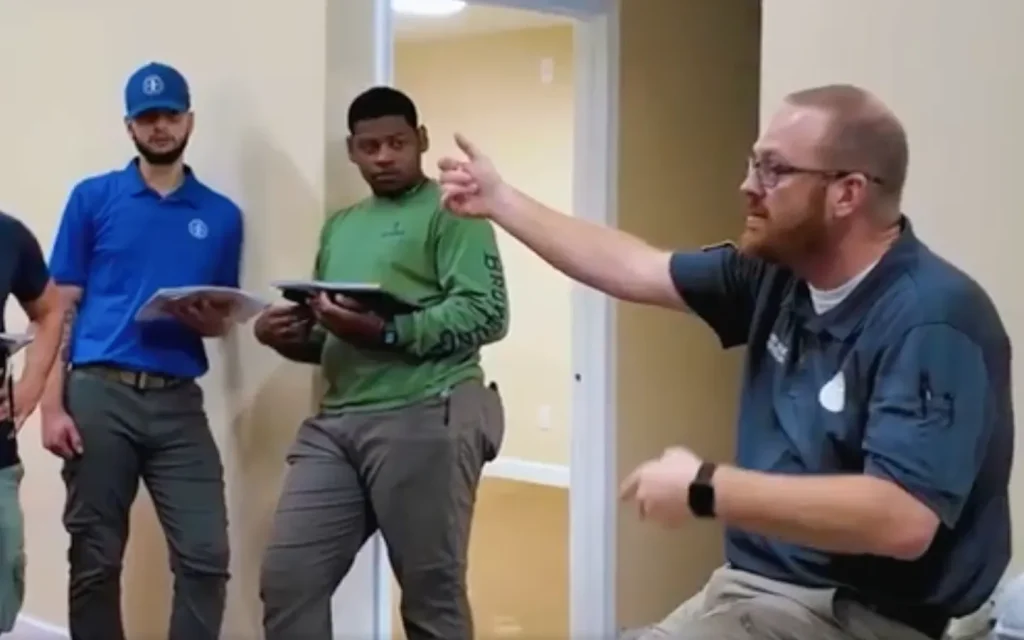
Students attending this class experience a wide variety of hands-on performance training. This training includes:
- Regulations – Trauma and biohazard cleanup is currently regulated in the state of Georgia. Other states may eventually follow suit.
As such, do you know what’s required at the federal,state and local level? This course will ensure you’re up to date on the legal requirements that impact your work.
- PPE – After the course, you’ll know exactly which PPE is required for trauma and biohazard cleanup, who determines what’s appropriate, and how to take on the role of your company’s competent person for PPE compliance.
You’ll also learn how to properly invoice for both the equipment and the labor involved in donning, user checks, decontaminating, and doffing.
- Hazard Controls – By the end of the course, you’ll understand the different hazard control measures available, how to select the right ones for each job, and how to apply them effectively. Recognizing signs of heat exhaustion and other safety risks will become second nature, helping you maintain a safer work environment.
- Material Removal or Cleaning – The course covers the best methods for removing contaminated materials, deciding what can be salvaged, and applying the most effective cleaning procedures.
Through hands-on training with real materials (including animal blood and parts), you’ll work with industry tools, cleaning agents, and equipment to handle real-world scenarios.
- Odor Control Techniques – Unattended deaths and decomposition bring serious challenges, including persistent odors that can spread throughout a structure. This course covers proper source removal, thorough cleaning procedures, and effective odor elimination techniques to handle even the toughest cases.
- Remediation Evaluation and Verification – Understanding what qualifies as “clean” and who determines it is crucial in biohazard cleanup.
This course covers different evaluation methods, their pros and cons, and the process for getting official verification of your remediation work.
If you think that sounds like a lot, expect to learn that and much more! It’ll be 4 days jam-packed with beneficial, profitable training! Enroll now!

Nick Sharp
Nick Sharp has worked with Jeremy Reets for nearly 2 decades. He started in carpet cleaning and mitigation before moving to the construction side as a project manager. He then was the senior estimator for Champion Construction for over 8 years. Since its inception in 2015, Nick has been an instructor of our Restoration Estimating & Negotiating course. His most recent venture is as a restoration estimate consultant. Nick is an Xactware Certified Trainer and also has his Levels 1-3 Xactimate Certifications. He’s a bad boy on that sketch but better at finding where you may be losing money!


770-712-7293