Crawl spaces aren’t anyone’s favorite part of a home. They’re dark, cramped, and often host to a variety of unwelcome surprises.
From the musty smell to possible mold growth, dead animals, pests, and even sewage issues, dealing with a wet crawl space can be a huge chore for both homeowners and restoration professionals.
Let’s talk about why crawl spaces get wet, how to dry them out properly, and what you can do to keep a crawl space dry (whether you’re looking for a quick fix or a permanent solution).
Want to learn more about how to dry out a crawl space properly and keep it dry for good? For expert guidance and in-depth training, visit Reets.TV
Is Moisture in a Crawl Space Normal?

Moisture in crawl spaces is actually very common.
In most cases, a little condensation isn’t cause for immediate concern. But when moisture becomes excessive, it needs to be addressed ASAP to prevent structural damage, mold growth, and indoor air quality issues.
The problem is, crawl spaces are notoriously difficult to keep dry and clean. The limited height makes it pretty much impossible to stand upright, and in many cases, it’s too short to easily move equipment into place. They also lack sufficient power sources and lighting, which makes it harder to see what’s going on and fix any problems.
That being said, figuring out how to dry out a crawl space is absolutely doable.
Common Sources of Crawl Space Moisture
Several factors can contribute to excessive moisture in a crawl space:
- Seasonal changes have a massive impact moisture levels, with summer humidity causing condensation and spring runoff potentially flooding lower areas
- Humidity condensation can cause water to drip from the bottom of floor joists during high humidity periods
- Heavy rainfall can lead to water infiltration, especially in areas with poor drainage
- Plumbing issues might create standing water or ongoing moisture problems
- Groundwater seepage through foundation walls or floors, especially in areas with high water tables
- Poor drainage around the foundation that directs water toward rather than away from the house
How to Keep Crawl Space Dry: Exterior Components
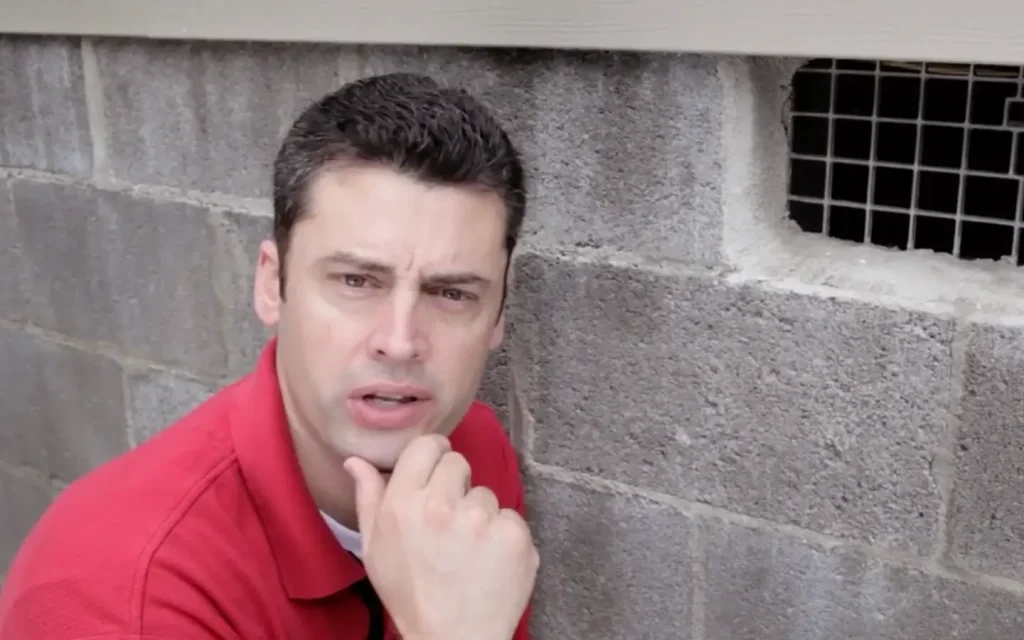
Vents
Crawl space vents can help or hurt your moisture situation, depending on how you use them. Keep them open when ventilation is part of your drying strategy since they’ll help draw fresh air into the crawl space in a balanced way.
But if you’re using dehumidifiers to remove moisture, close those vents tight. Otherwise, you’ll be fighting against outdoor humidity and wasting energy.
Generally speaking, open vents in summer allow air to circulate through the space, while closed vents in winter prevent pipes from freezing and keep the space warmer.
Entrances
The type of crawl space entrance varies depending on where you live. If your crawl space has an exterior door, it serves double duty – both as access and as a perfect exit point for ventilation.
If you only have indoor access or very limited access, you might need to create an opening through the floor, typically in a closet or utility room. Just be careful – protect this opening from becoming a fall hazard, and watch out for air movement.
The “stack effect” (warm air’s natural tendency to rise) can pull crawl space air up into your living space unless you use negative pressure techniques to direct airflow downward.
Interior Components

Soil
The soil in your crawl space is like a sponge – highly porous and quick to absorb and release water, which means too much airflow can actually make things worse.
If you create more evaporation than your dehumidifiers can handle, you’ll end up driving moisture into your floor joists and structural materials instead of removing it, so controlling the evaporation rate from soil is very important for effective drying.
Moisture Barrier
A properly installed vapor barrier is your first line of defense against ground moisture. These plastic sheets cover the soil and prevent ground moisture from evaporating up into your crawl space.
Unfortunately, in many older homes, these barriers are poorly installed, damaged, or missing altogether. A compromised moisture barrier can trap water between the barrier and your home’s structure and create the perfect environment for mold and rot.
Structural Materials and Concrete
Your floor joists, beams, and foundation walls absorb moisture differently than the air or soil. These materials hold onto “bound water” that’s harder to remove than surface moisture.
To dry them properly, you need stronger airflow and higher evaporation potential (which can be hard to do in tight crawl spaces). Getting adequate airflow around these structural components typically requires specialized equipment and targeted drying techniques.
Power Access
Most crawl spaces lack proper electrical outlets, which complicates the drying process. You’ll typically need to run extension cords from elsewhere in the house, but be careful – excessive cord length can create fire hazards.
Using properly rated extension cords (no longer than 25 feet if possible) and avoiding overloaded circuits is a must for safe drying operations.
You can also use a power distribution box to distribute the electrical power from one power source to multiple devices. Not only is a power distribution box a safer and more convenient way to distribute power, it can add to the profitability of the estimate.
How to Dry Out A Crawl Space

Now let’s look at how to dry out a crawl space quickly and keep it dry for good.
The right approach depends on the severity of the issue, but here are some of the most effective ways to dry a crawl space.
1. Start by Inspecting and Preparing the Drying Environment
Inspection: Start by performing an inspection of the crawlspace. Things that need to be inspected.
- What potential risks and hazards exist in the crawlspace that need to be eliminated or mitigated. This will determine what PPE needs to be worn by technicians.
- How much of the crawlspace was affected? If the entire crawlspace was not affected, use containment to create a chamber for effective drying.
Extraction: Remove as much water as possible before drying. Use either a truck-mount to remove and transport the water off-site or use a submersible pump to remove excessive water.
Vapor Barriers: The ground beneath the home is a continuous source of moisture.
The goal of drying a crawlspace is to dry the structure, not the soil. A high-quality vapor barrier helps stop the moisture in the soil from evaporating and allows the dehumidifiers to remove the excess moisture released from the structure.
- Choose a thick, durable plastic barrier (at least 6 mils thick, but ideally 10+ mils for long-term protection).
- Cover the entire crawl space floor, overlapping seams by at least 12 inches and sealing them with waterproof tape.
- Extend the barrier up the foundation walls to further reduce ground moisture migration.
- After adding a vapor barrier, install a radon fan or something similar underneath the containment to create negative pressure. This will allow the natural elements to decontaminate the soil. You can do this instead of mucking out the entire crawlspace.
Crawl Space Insulation: Remove wet insulation and inspect the floor joists and subfloor for evidence of microbial growth.
2. You Need The Right Equipment To Manage Humidity
Dehumidifiers: Dehumidifiers pull excess moisture from the air which prevents condensation from forming on surfaces and eliminates the conditions that encourage mold growth. Here’s what you need to take into consideration when choosing a humidifier:
Ventilation: Crawl space ventilation can be a double-edged sword. When used correctly, fans can help remove moisture from the air, but when misused, they can introduce more moisture than they eliminate. To make fans work in your favor, you’ll need to:
- Use them strategically: Operating them during dry weather but close the vents when using a dehumidifier to remove moisture more effectively. Otherwise you will be trying to dehumidify the entire outdoors.
Air movers: Air movers are used to direct the dry, hot air to the structure. This will increase evaporation potential and speed up the drying process.
Preventing Future Damage
Even with humidity control inside, external water intrusion can create persistent moisture issues in your crawl space. To fix this issue, you’ll need to improve drainage and seal off water entry points.
- Regrade the soil- Make a suggestion that the homeowner regrade the area around their home so that water runs away from the foundation rather than pooling around it.
- Extend downspouts and gutters to divert rainwater at least 6-10 feet away from the home.
- Seal foundation cracks and gaps with hydraulic cement or waterproof sealant to prevent groundwater seepage.
- Install a sump pump system in areas prone to standing water to avoid recycling moisture.
- Encapsulate the crawlspace and add dehumidification to control elevated moisture on a permanent basis.

Nick Sharp
Nick Sharp has worked with Jeremy Reets for nearly 2 decades. He started in carpet cleaning and mitigation before moving to the construction side as a project manager. He then was the senior estimator for Champion Construction for over 8 years. Since its inception in 2015, Nick has been an instructor of our Restoration Estimating & Negotiating course. His most recent venture is as a restoration estimate consultant. Nick is an Xactware Certified Trainer and also has his Levels 1-3 Xactimate Certifications. He’s a bad boy on that sketch but better at finding where you may be losing money!


770-712-7293