Table of Contents:
Category 3 water damage is grossly contaminated water. It contains contamination that is sufficient to cause harm to people. Restorers need to follow Standard of Care processes for decontamination of buildings affected by Category 3 water damage and for appropriate protection for workers completing the work.
The 3 Categories of Water Damage
When a home or business is hit by water damage, the restorer’s responsibility is to return that building to a clean and dry condition. While restorers can use moisture meters to determine when materials have been dried sufficiently, determining how much cleaning will need to be done can be a bit more challenging. That’s because not every water damage has the same amount of contamination in it.
This is an area of concern in restoration because it is difficult to come to an absolute answer on Category. How water damage is categorized requires a subjective conclusion by the restorer. Since the answer to Category is key to how each project will be decontaminated for occupants and how workers will be protected, every restorer needs to be clear on the Category of water definition, particularly the IICRC Category 3 water definition.
In a subject where there are many principles and few rules, there is at least one indisputable rule. When it comes to definitions of the Category of water damage, the only source of truth is the ANSI/IICRC S500 Water Damage Restoration Standard. Stop looking at social media for the answers. They are almost always incorrect. We will paraphrase here, but you should purchase a copy of the ANSI/IICRC S500 Standard for yourself.
NOTE: You can only purchase copies directly from IICRC. For a printed ‘book’ S500 click here.. For a subscription to the electronic version of the standards click here.
The IICRC S500 has established standard definitions for the three categories of water contamination, which then gives restorers direction on how much decontamination should be performed.
Category 1 is uncontaminated water. It is not perfectly clean not potable water, but not likely to cause harm to people.
Category 2 is significantly contaminated water that can cause harm to people if touched or consumed.
Category 3 is grossly contaminated water that can cause harm to people if touched or consumed.

What Makes Category 3 Water Damage Different?
What is Category 3 water damage? This is the dirtiest of the categories of water. It is grossly contaminated. It is dirty, dangerous, and can cause significant health reactions.
Category 3 water examples include:
- Raw sewerage
- Waistline backflows or overflow from blockages
- Any water that comes from beyond the drain trap, regardless of what it looks like
- Water from widespread river flooding
- Category 1 or 2 water that has entered a dirty building and has not been cared for quickly enough
The level of contamination in Category 3 water damage is the most dangerous of the 3 Categories, and therefore it requires special processes to decontaminate. In the IICRC S500 Category 3 water damage receives special attention so that restorers can completely decontaminate affected buildings and homes.
Health and Safety Risks of Category 3 Water Damage
Contaminated water has been identified as the largest killer of humans throughout history. It still remains a major concern today. One of the reasons that contaminated water has affected so many people is that they were unaware of the dangers.
A common mistake restorers and occupants make is to gauge the danger by appearance or odor. Do not be fooled. Regardless of odor or appearance, Category 3 water damage contains gross contamination and is harmful to people. Get appropriate training based on industry standards and take the hazards seriously!
When working around Category 3 water damage, appropriate PPE should be worn to protect your breathing and prevent contamination on your skin, eyes, and mouth. This includes, at a minimum, respiratory protection, face protection, waterproof suits, boots, and gloves.

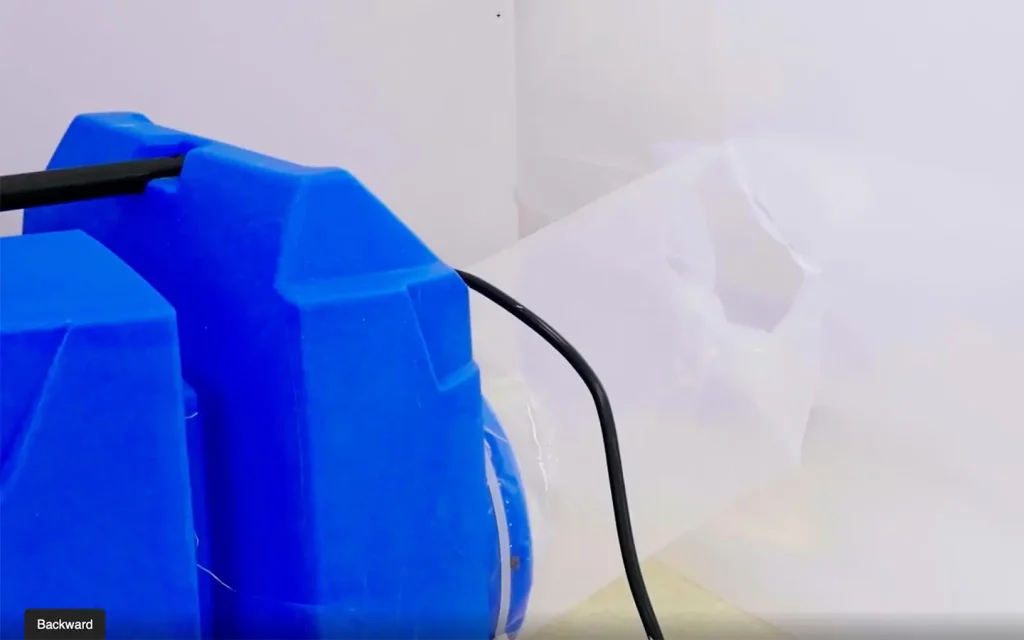
Occupants should also be protected. Restorers utilize negatively pressurized containment to keep airborne contamination from spreading to unaffected areas. They also remove materials that cannot be decontaminated and then thoroughly clean all remaining materials and contents so that appropriate drying methods can safely return the building to a safe condition. The cool thing is that when restored properly by IICRC certified technicians and Certified Firms, Category 3 water damage can be thoroughly decontaminated, and buildings can be healthy and safe again.
The Restoration Process for Category 3 Water Damage
Category 3 water damage restoration follows specific principles that help restorers remove a satisfactory amount of the contamination.
A simple analogy can help restorers understand the concept of decontamination. Imagine that you got your hands in raw sewerage. Besides it being disgusting you would immediately get to work cleaning your hands. In this scenario, imagine you are wearing cloth gloves. (Why are you wearing cloth gloves? I don’t know maybe it was really cold in this scenario; just pay attention to the story.) How would you clean your hands? First, you would remove the gloves and throw them away because you can’t clean them satisfactorily. Second, you would wash your hands thoroughly with soap and water. Third, you would likely use hand sanitizer just to be sure you were successful. Then, you would go on with the rest of your life. Done.
Category three water damage restoration principles are similar:
- Take immediate action. Waiting only makes things worse.
- Remove highly porous materials and multiple layers of materials that are saturated.
- Thoroughly wash what is left with soap and water. Don’t just mop, thoroughly wash!
- Apply a disinfectant solution that will help reduce any remaining contamination.

The concept is fairly simple. Application of those principles in a building is not so easy. Consider a few of the issues that MUST be handled properly:
- Containment of the contaminated areas.
- Filtration of the air.
- Cross contamination of areas that were not saturated but might have been tracked by people from the source of the contamination.
- Proper containment and disposal of the contaminated water.
- Thorough wash processes that are appropriate to the materials, assemblies, and contents in the project.
- Proper application of the right type of disinfectant.
- Determining whether the decontamination process was sufficient to leave the building safe.
- How to dry what is left.

These are just a few of the application concerns you face on every project. Apply IICRC Standards correctly, and you will be successful. Miss a few of the steps and you could create significant health hazards and potentially serious health issues for the occupants. This is one area you can’t afford to guess at. You must be right!
Learn Category 3 Water Restoration at Reets Drying Academy
No school is as trusted as Reets Drying Academy for learning how to complete Category 3 water restoration. With over 2000 5-star reviews and 10’s of thousands of students having passed through our classes, restorers around the world know that when you want to know about restoration, you go to Reets!
At Reets Drying Academy, we teach how to apply the principles of Category 3 water restoration that are found in the ANSI/IICRC S500 Water Damage Restoration Standard. Restorers who attend our classes are taught how to care for Category 3 water the right way and how to get paid for it.
There are a couple of different learning paths to prepare you for Category 3 water restoration projects. At a minimum, you need 2 IICRC certifications: IICRC WRT and AMRT.
- IICRC WRT LiveStream or WRT/ASD Combo Course In-Person
The fastest path to getting these certifications is to first take our 3-day IICRC WRT LiveStream course. In this amazing class, you will learn water restoration principles and the basics of dealing with Category 3 water damage. We have one almost every week, and because it is taught LiveStream, you don’t have to travel.
Only $249 for 2025 and 20 Free WRT tuitions each week
For our 20th anniversary celebration in 2025, our $549 WRT course is only $249! And each week in 2025, we are giving 20 FREE WRT tuition to students. No Catches, just FREE. Seriously! Check it out because the FREE tuition is first come, first serve.
WRT/ASD Combo Course In-Person
Our most popular water restoration education solution is to attend the IICRC WRT and ASD certification combo class. In 5 days, you not only learn water restoration principles in WRT but you apply them in the Reets Drying Academy flood house! That means that you aren’t just sitting in class, you are also getting up and working in a water-damaged environment. You start by flooding our house and then drying it. Since a big part of category 3 water restoration is about drying, This combo is the best way to get a solid foundation in water restoration. Book your IICRC WRT/ASD combo class today!
- IICRC AMRT
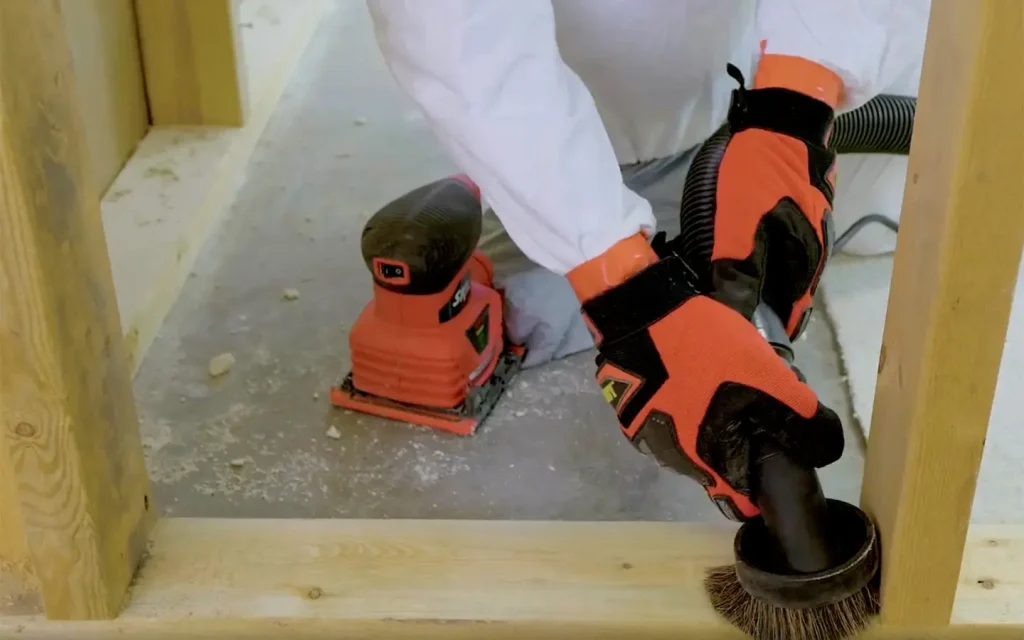
IICRC AMRT cannot be taught LiveStream. You must attend in person. This class takes you deep into the science of dealing with contamination in buildings. This class is a must for anyone remediating Category 3 water damage. Reets Drying Academy holds one AMRT course each month. Check our calendar for the next IICRC AMRT course, and Book your AMRT course now!
Need more information on what our IICRC AMRT is about?
Now is your time to attend training at Reets Drying Academy!
Reets Drying Academy is the number-rated water restoration school in the world! Why would you consider attending classes anywhere else?! See what just a few of our more than 2000 5-star Google Reviews say about attending courses at Reets Drying Academy!
I had an excellent experience at Reets Drying Academy. The facilities are top-notch, with well-designed spaces that make learning and realistic practice easy. The educational material is thorough and up-to-date, allowing me to dive deep into the topics with confidence.
They also use Kahoot, which provides precise diagnostics for each student’s progress.
An absolutely worthwhile experience. As someone who is new to the Industry this course was unbelievably helpful, bringing me up to speed on proper procedures and understanding the guidelines that justify those procedures. The hands-on side of the class is an awesome addition to this class, helping me learn about equipment and the right way to use it. Thank you!
Having a real house to have flooded and dry out was a great learning tool. I would highly recommend this learning facility!
The information is presented in an engaging manner that promotes retention, combining lectures, videos, demonstrations, and hands-on learning. This approach ensures that you feel confident and competent, whether you’re tackling your first or 1000th Water Loss.
From the second we walked into the facility till we left, I felt welcomed, encouraged, and comfortable. The facility itself is set up with you in mind. Jeremy is a phenomenal teacher and keeps you engaged the entire time. His humor and knowledge make taking the class fun and interesting. I highly recommend this program to anybody.
Those were a few experiences from other students. Now it’s your time to attend water restoration training at Reets Drying Academy and take your career to the next level!

Nick Sharp
Nick Sharp has worked with Jeremy Reets for nearly 2 decades. He started in carpet cleaning and mitigation before moving to the construction side as a project manager. He then was the senior estimator for Champion Construction for over 8 years. Since its inception in 2015, Nick has been an instructor of our Restoration Estimating & Negotiating course. His most recent venture is as a restoration estimate consultant. Nick is an Xactware Certified Trainer and also has his Levels 1-3 Xactimate Certifications. He’s a bad boy on that sketch but better at finding where you may be losing money!


770-712-7293