Table of Contents:
Morning meetings are supposed to move your business forward. But when they lack structure or purpose, they turn into expensive distractions that stall productivity and frustrate your team.
If you’ve ever walked out of a morning meeting and thought, “What did we actually get done?”, you are not alone. But that doesn’t mean the meeting itself is the problem. It means the way you run it needs to change.
To make sure every morning meeting pays off, focus on these five principles:
- Be Consistent With Your Morning Meetings
- Create a Clear Morning Meeting Agenda
- Invite Pertinent Employees Only
- Make Morning Meetings Interactive
- Set Clear and Actionable Objectives
These steps help you avoid wasting time in meetings, reduce labor costs, and keep your team focused on profitable activities from the start of the day.
1. Be Consistent With Your Morning Meetings

This industry runs on urgency. But if you want your team to be proactive instead of reactive, you need to give them a predictable place to align and reset. That’s why consistency is the first rule of a productive morning meeting.
Set a regular day and time and treat that meeting like any other job that has to get done. Whether it’s 15 minutes or a full hour, what matters is that it happens reliably. If your team sees you skipping or rescheduling the morning meeting every time things get busy, they’ll assume it doesn’t matter. And when something doesn’t matter to leadership, it stops mattering to anyone else.
The goal isn’t to hold more meetings. It’s to hold the right ones. A consistent morning meeting is your opportunity to keep training on track, review job progress, and reset priorities without losing half the day.
If you’re not sure how often to meet or what format works best, the ReetsTV Calendar can help you structure meetings that deliver both learning and measurable business results.
2. Create a Clear Morning Meeting Agenda
Without a solid plan, your morning meeting becomes a free-for-all. A well-built morning meeting agenda keeps things focused, limits distractions, and helps you avoid wasting time in meetings that go nowhere.
Start by identifying the purpose. What do you want your team to walk away knowing or doing differently? Build your agenda around that goal. Include the key topic, the action item you’re reinforcing, the metric you’ll track, and the time for questions. If a question derails the flow, take note and follow up after the meeting instead of getting sidetracked.
Sending out the agenda ahead of time gives your team a chance to come prepared. It also helps them see that this meeting has real value, not just random updates or complaints. Keep the structure tight and repeatable. When your team knows what to expect and what’s expected of them, you build clarity and accountability from the start of every day.
ReetsTV Workbooks can assist you in building agendas that support technical training, reinforce standards like the S500, and keep profitability in focus.
3. Invite Pertinent Employees Only

Nothing kills engagement faster than sitting in a meeting that doesn’t apply to your position. When people ask, why are morning meetings important, they are usually responding to meetings that don’t respect their time.
The solution is simple. Invite only the people who need to be there based on the goal of that specific meeting. If the topic involves technical training for field techs, leave the estimators out. If it focuses on billing accuracy, don’t bring in project managers unless their actions are directly involved.
One large meeting each month can cover company-wide goals and safety updates. Beyond that, break it down by department. Smaller, role-specific meetings make it easier to solve actual problems and allow your team to ask questions they might not feel comfortable sharing in front of everyone else.
This approach also gives you the chance to focus on specific behaviors. If your techs are missing equipment placements, train them on that. If estimators are writing vague or incomplete justifications, review the standards. You can’t fix every issue in one meeting, and you shouldn’t try to.
4. Make Morning Meetings Interactive
A one-way lecture does not train anyone. If your morning meeting involves you talking for 30 minutes while the team zones out, it’s no surprise when the information doesn’t stick.
Adults learn best by doing. That means combining passive learning with active participation. Start by explaining the concept, demonstrate how it’s done, and then have your team try it. Use real-world examples they recognize from the job. If you’re training them on equipment calculations using the S500, don’t just explain the formula. Walk them through it with an example, then have them do it and check their work.
This approach builds confidence, improves retention, and creates buy-in. It also reinforces why the training matters. When techs understand how their decisions impact drying timelines, job profitability, and even their own performance reviews, they start to care about doing it right.
ReetsTV video content and interactive workbook exercises are a great way to bring structure to this type of training without having to reinvent the wheel.
5. Set Clear and Actionable Objectives
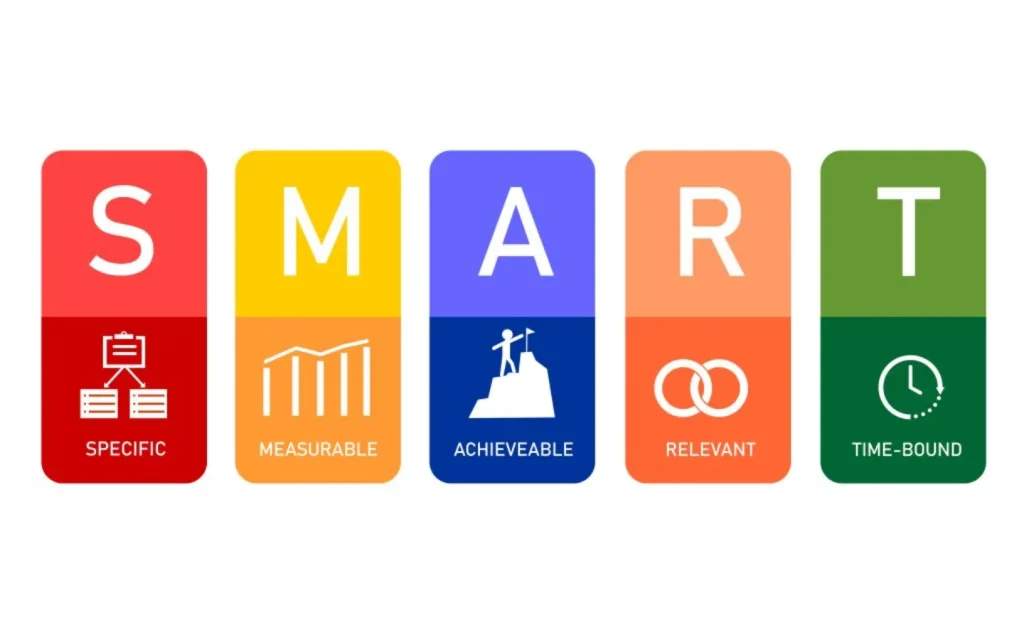
Every morning meeting should end with clear next steps. What exactly do you want your team to do after the meeting ends? If they don’t know, then the meeting probably didn’t help your business.
Define the goal at the beginning of the meeting and revisit it at the end. Make sure each person understands what needs to be done, when it should be completed, and what success looks like. Write it down. Post it somewhere visible. If you’re setting a new company policy, make sure it is followed up with checks or reviews in the coming days or weeks.
You can also create monthly themes to keep everyone aligned. For example, if your goal this month is to reduce drying time by improving airmover placement, use that as the core of your morning meeting agenda. Every meeting you have that month should be used to reinforce part of that outcome. Teach the why, train the how, and then follow through with results.
Topics that directly affect profitability—like calculating equipment correctly, improving scope accuracy, or ensuring proper documentation—should be repeated and measured. Your team should walk out of each meeting knowing what to do and why it matters.
If you need help with this, our Estimating and Negotiating course covers this in detail.
Turn Morning Meetings Into Profit-Driving Tools
Too many companies ask, why are morning meetings important? Only after months of low engagement and no results the reality is that the morning meeting itself isn’t the problem. Poor planning and unclear directions are.
By building a consistent routine, focusing each morning meeting agenda around real goals, and limiting attendance to the people who need to be there, you create structure. When you make the meeting interactive and tie it to performance outcomes, you create impact. That’s how you stop wasting time in meetings and start using it to increase revenue, improve job outcomes, and build team confidence.
If you still think training doesn’t make a difference, these numbers might change your mind.

Nick Sharp
Nick Sharp has worked with Jeremy Reets for nearly 2 decades. He started in carpet cleaning and mitigation before moving to the construction side as a project manager. He then was the senior estimator for Champion Construction for over 8 years. Since its inception in 2015, Nick has been an instructor of our Restoration Estimating & Negotiating course. His most recent venture is as a restoration estimate consultant. Nick is an Xactware Certified Trainer and also has his Levels 1-3 Xactimate Certifications. He’s a bad boy on that sketch but better at finding where you may be losing money!


770-712-7293