Table of Contents:
As water damage professionals, we make a living off of the fact that plumbing stuff breaks, plumbing fixtures leak, plumbing connections fail. So, we’re used to that.
The problem is when we’re on those jobs, we’re also often having to disconnect and reconnect water connections. If your techs are performing this work instead of a licensed plumber, they’re eventually going to cause water damage. When capping a line or reinstalling a water line it may look like it was done correctly at first. For example, you may have to move a refrigerator or a washing machine. And as you go back to hook it up it leaks.
I’m going to teach you some preventative measures so that you’re not the cause of the next water damage on your water damages.
Pitfall #1 :The Ice Maker Line
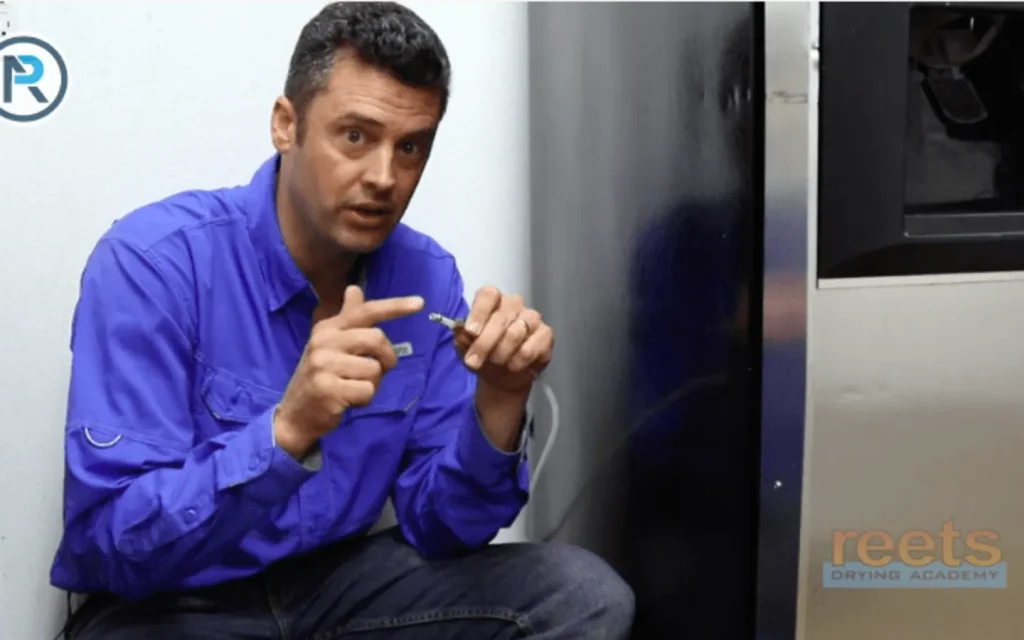
The ice maker line seems pretty simple, but this little rascal right here could cost you some serious money. You disconnect the ice maker line, you move the refrigerator out and after inspecting, you move the fridge back into place. Because you’re so nice and helpful, you decide to hook the ice maker line back up.
Well, no good deed goes unpunished.
The line leaks while you’re away. When you come back, you realise you’ve caused additional damage. If you’re just starting restoration, it may be some more extraction and a bit more demo. But if the recon is done, you’re now buying somebody’s floor. If there’s a finished basement…. You have even bigger problems.
This little fellow right here is one of your biggest problems.
Take a look at the image above. Did you notice that the little ferrule is crooked? So, you hook this back up, it’s probably not going to leak while you’re watching it, but it’s going to get you eventually. You might even consider a supply line a one time use thing. Never, never re-hook this thing back up because it will leak after you leave and you will be spending a lot of money.
Ice maker line, leave it alone.
Pitfall #2: Sink Supply Lines

Another little fellow you’re going to be messing with a lot are sink supply lines. You disconnect these and again. After they are disconnected there are two potential problems.
1) The shut off may not actually shut off.
2) The connection could be gasketed or it could be a compression fitting.
Either one of those could be a potential leak when you take it apart and then try to reattach it.
Here’s the other crazy part. If this doesn’t shut off completely, and it leaks, you may or may not be able to fix the leak by putting the hose back on. So it’s nice to have a few little compression fitting caps to go over the top of these valve stops just in case it leaks.
Pitfall #3: Washing Machine Hose
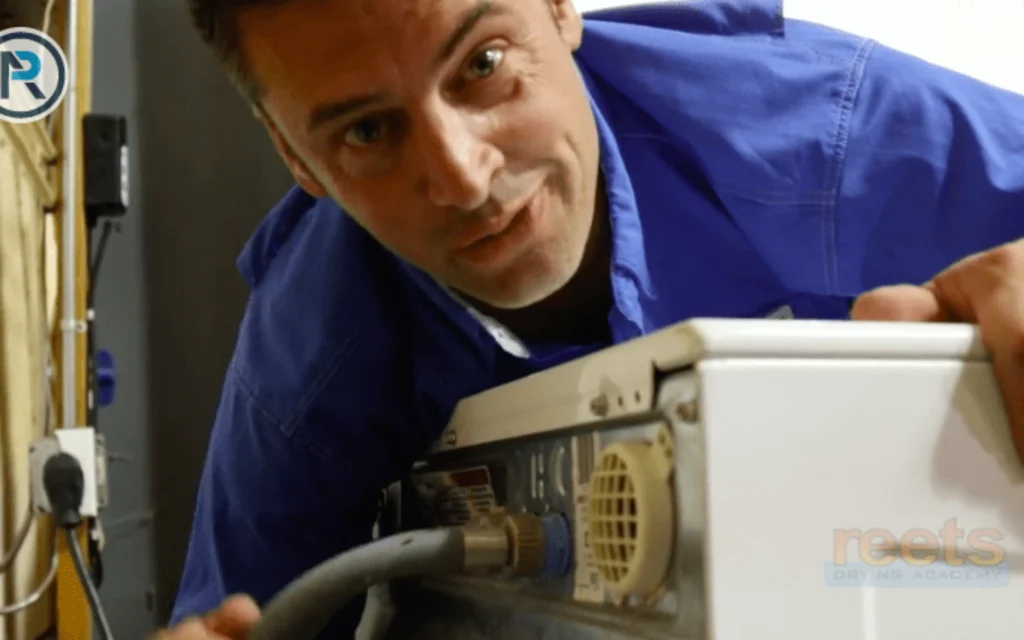
And oh, don’t we love a washing machine hose?
Five gallons a minute when these babies break. We’ve made a lot of money off of them. But, a lot of times when you’re trying to move a washing machine and you disconnect this line, that hose may have been there for the last 10 years. It’s dried out!
You go to put it back on, and it leaks while you’re gone.
Now, this little hose that has been your favorite for so long, is your enemy. It’s not the hose’s fault. You were unprepared. YOU touched it to move THIS washing machine without thinking of the consequences. So be aware that that gasket could leak. Have a few of those washing machine hose gaskets in your truck and just replace it when you disconnect it and hook it back up.
Put a new gasket in there and boom! It’s not going to leak if you tighten it up.
Did you find this information useful? Watch our free tips for restoration professionals on Reets TV!
Things to Watch Out For When Working with Water Supply Fittings

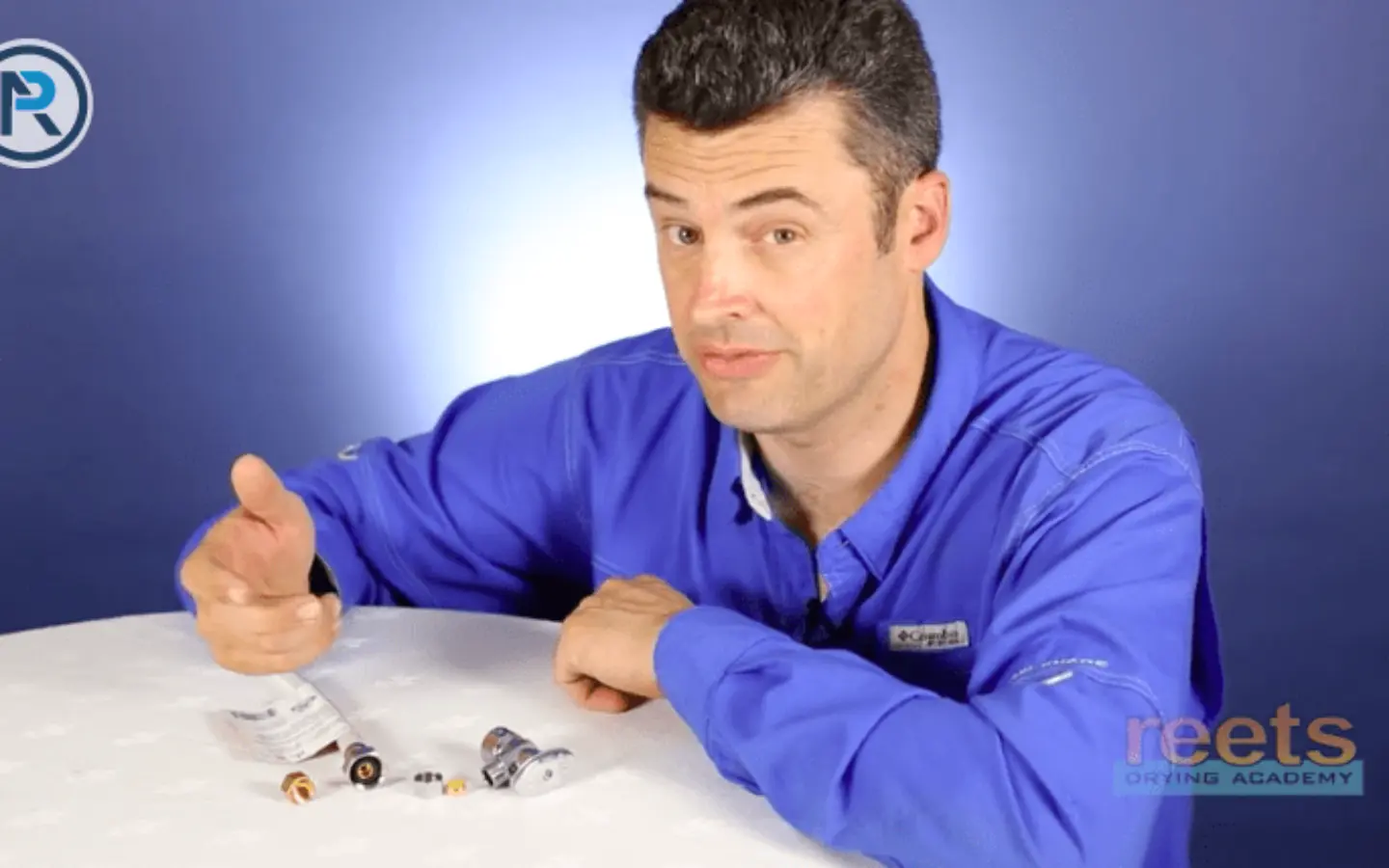
So, here I have a few examples of some of the types of fittings that you’re going to run into and some of the things that you need to be aware of.
How to Prevent Leaks and Water Damage When Working with Angle Stops
So what we start off with is an angle stop. You’re going to be working with these a lot.
This angle stop is brand new and works like a charm. A quarter turn, it shuts off. A quarter turn the other way, it turns on. Boom, it’s done. But when these things get corroded, they don’t always shut off. That’s when leaks may occur.
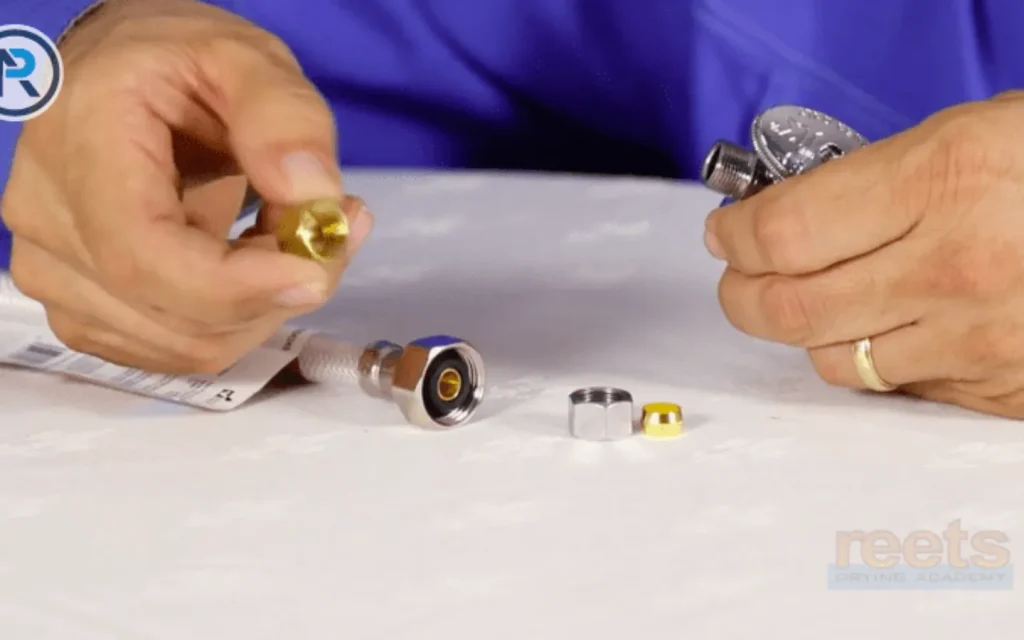
You’ll deal with angle stops on sinks, toilets, even ice maker lines.
The brass caps are less than $1 at the hardware store. At times, they may not shut completely. You just take and thread it back on, seal it and tighten it. Boom! You’ve prevented a leak!. It’s a good idea to do this any time you’re going to be working with angle stops because they can drip and make a big mess.
But what normally hooks to this angle stop is also important. So, you’ve got two different types of fittings that will go in there mainly.
Gasketed Fittings and Why They Can Fail
One is this gasketed fitting, which is what you’re going to see normally.
You see this little rubber gasket in here. It looks like that gasket would be easy to just take off, put back on, no problem, no leaks, right? The problem is, while it does come off very easily and does go back on very easily, they may be brittle.When it is brittle, it won’t conform back to the angle stop.
So it gets turned a little bit, gets put back in a little different position, and when you tighten it back up, you think you’ve got a good seal there.
But because that seal is hardened it’s not going to conform to the fitting that you put it back into. It’s very likely going to leak. The best thing to do is replace it every single time. Consider these gaskets one time use. I mean, obviously, if you hooked it up recently and it’s a brand new line, it’s still going to be pliable.
Compression Fittings and What to Watch Out For
Another type of fitting is this compression fitting.
You might see this hooked to a plastic, brass or copper line. And that is really soft. So as it goes over the pipe threads onto the angle stop, it gets very tight. That’s how the compression fitting conforms to the inside of this fitting.
Well, it only works one time.
So once you’ve put it in there and compressed it, it must be replaced. And many people forget to replace it. So understand, don’t just disconnect this, re-hook it and think that you’ve got a good fitting. That’s a great opportunity for a leak.
Now, it may not destroy half a house, but if it leaks onto a tile floor that was not affected or onto hardwood that was not affected, you’ve got a big problem on your hands. Now you’ve got to either replace or repair or at a minimum, dry those floors.
And it’s just not what you want.
The best thing to do is to keep a few caps on the truck. If you cap them off, you should have no problems.
When in Doubt, Call a Professional to Prevent Water Damage
As a water damage professional, you’re there to clean up water damages, not create them.
And when you do create them, the whole project goes bad. It’s costly from a customer service standpoint, reputation standpoint, and obviously, financial standpoint. So, you don’t want to do that.
If you’re ever in doubt about whether or not you can take apart a fitting and put it back together, even if it’s temporary it’s probably better to leave it alone and call in a plumber.
If it’s really old and you’re like, “Wow, I don’t really know if this should be taken apart…” Again, you should get a professional on it. There may be little cost on the front end that can be accounted for in your estimate. Just get pictures of it, show the adjuster why you weren’t willing to take that apart and show them the risk. And usually that’s going to fly.
But you’re on your own if you just take that on yourself and go, “Oh, it’ll probably be fine.“ It may be fine 99 times out of 100. But that one time that isn’t fine can be extremely costly.
When in doubt, have a professional come in.
Always make sure that as you check things you feel comfortable disconnecting and reconnecting or temporarily shutting off these fixtures for leaks. Leave the area, go do something else, come back five minutes later, and just check it. Is there any moisture on that valve stop anywhere or the connection that you just put together?
Are there any leaks? Go, leave again. Come back 15 minutes later and check it again.
If it’s not completely dry, it’s leaking and you’ve got a problem. Shut the water off, cap it, whatever you need to do so that you don’t leave and have a big mess. And you go from being a water damage hero to be in the water damage zero.
Ready to take your restoration skills to the next level? Join our training program today!
What we covered in this article is only a portion of what we teach in our online water damage restoration training program on Reets TV.
Reets TV is designed to help restoration companies avoid liabilities and increase profitability through IICRC standard-based video training. Whether you’re onboarding new hires or reinforcing skills for IICRC-certified professionals, Reets TV has you covered.

Nick Sharp
Nick Sharp has worked with Jeremy Reets for nearly 2 decades. He started in carpet cleaning and mitigation before moving to the construction side as a project manager. He then was the senior estimator for Champion Construction for over 8 years. Since its inception in 2015, Nick has been an instructor of our Restoration Estimating & Negotiating course. His most recent venture is as a restoration estimate consultant. Nick is an Xactware Certified Trainer and also has his Levels 1-3 Xactimate Certifications. He’s a bad boy on that sketch but better at finding where you may be losing money!


770-712-7293