Table of Contents:
A restoration technician repairs and restores properties damaged by fire, flood, mold, or other natural or human-caused disasters. They assess the damage to see what can be saved and then clean, repair, and rebuild to make the property safe and livable again.
Restoration technicians are often problem-solvers at heart who want to serve their communities and help those who need it most. It’s a job with many trials and tribulations but rewarding nevertheless.
If you are ready to roll up your sleeves and make a real-world difference, then this might be the perfect career path for you! Let’s go over the restoration technician job description, the skills required, and how to get the right certification and training to get you started.
Types of Restoration Technicians & Their Responsibilities

A restoration technician is an umbrella term for many roles within the industry.
Technicians that specialize in water damage handle extraction, structural drying, and mold prevention. For those in fire and smoke restoration, the main goal is to salvage what’s left after the accident and repair the damaged property for further use. Mold remediation technicians are tasked to contain and/or eliminate mold contamination and restore the condition of the building back to a normal indoor environment. Trauma and crime scene cleanup technicians deal with crime scenes and possible biohazards.
You get the point—if there’s a disaster, there’s a technician trained to handle it. Now, let’s take a look at what it takes to be able to do this job, both the skills and the physical demands.
Skills and Physical Demands of the Job
Since restoration is a hands-on job, both physical fitness and technical skills are a must. So you need to, at least, be comfortable with:
- Lifting objects (up to 50 lbs, sometimes even more)
- Moving in confined or narrow spaces (crawl spaces and attics, ladders etc.)
- Working long hours on your feet (night calls, weekends)
- Using hand and power tools
- Operating restoration equipment (moisture meters, dehumidifiers, air movers)
- Following strict safety protocols (proper PPE use and hazard awareness)
- Traveling to job sites (a driver’s license)
The Restoration Process: Key Steps Technicians Follow
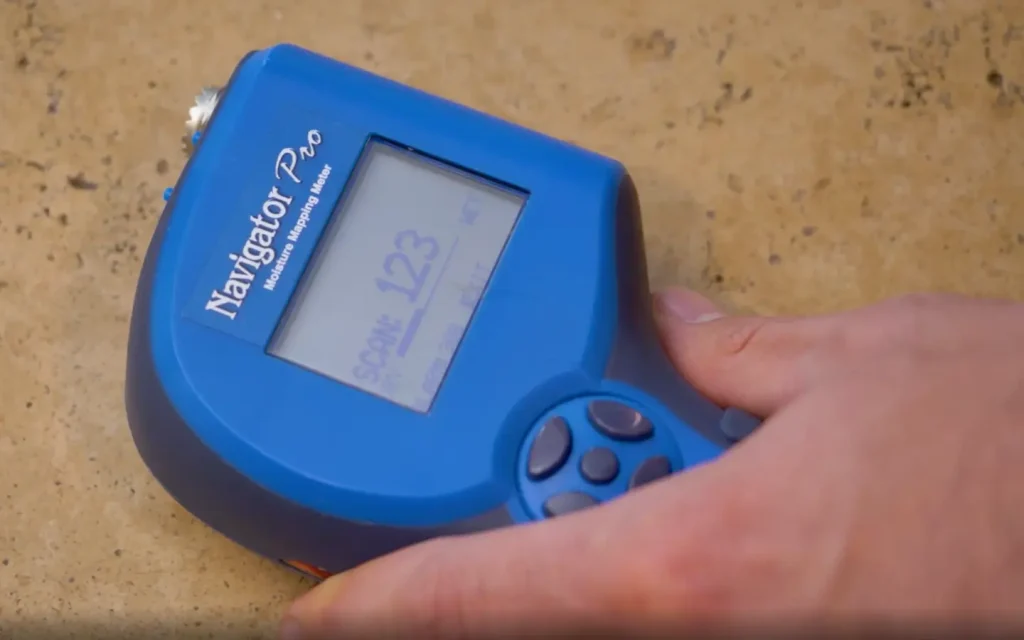
We mentioned all these different types of techs, but whatever area they are in, restoration projects generally follow this process: assess, plan, execute and communicate.
1. Assessing the Damage
Every project begins with a thorough inspection of the site. The techs are required to document the extent of the damage (following industry guidelines and OSHA regulations) and figure out what can or can not be salvaged. They check for any visible or hidden safety hazards and structural issues before any restoration work is done.
2. Developing a Restoration Plan
- For water mitigation, the focus is on removing standing water, setting up drying equipment, and preventing mold.
- For fire and smoke cleanup, technicians remove soot, clean surfaces, deodorize, and restore air quality.
- For mold remediation, the process involves sealing off contaminated areas, removing mold, and applying treatments to stop regrowth.
- For structural repairs, damaged walls, floors, and ceilings may need cleaning, repair, or replacement.
3. Carrying Out the Restoration Plan
With the plan in place technicians get to work: cleaning, repairing and restoring the property step by step. They use the right tools, proven methods, and safety gear to make sure everything is done properly and according to regulations.
The goal is simple: get the place back to a safe, livable condition as quickly as possible.
4. Keeping Property Owners and Insurance Adjusters Updated
Throughout the process, technicians update property owners on progress, timelines, and any unexpected issues. They also coordinate with insurance adjusters to keep the claims process moving smoothly.
Certification and Training for Restoration Technicians
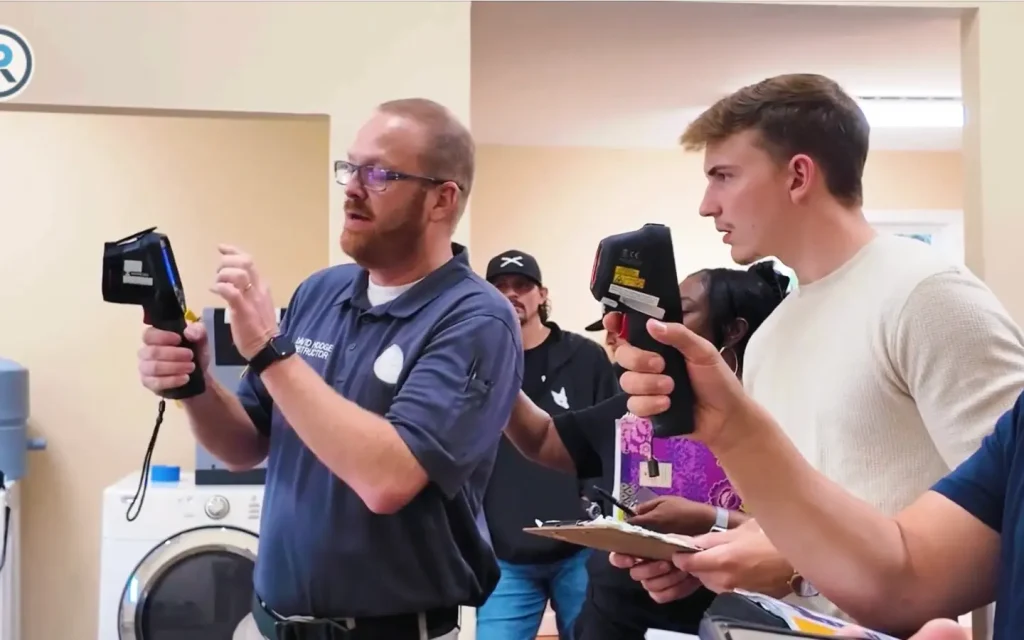
To become a restoration technician, you need at least a high school diploma or GED. But if you’re serious about this career, you should get IICRC certified. At Reets Drying Academy, we help future technicians and those who are already in the field earn their IICRC certifications. Here are some of the IICRC-approved courses we offer.
IICRC Water Damage Restoration Technician (WRT)
In our IICRC WRT course we teach you the fundamentals of water damage restoration (water extraction, drying structures, how to prevent mold growth, and more.) This course is available both in-person and via livestream so you can get trained on your schedule.
IICRC Applied Structural Drying Technician (ASD)
Our IICRC ASD course is an interactive, hands-on training in our state-of-the-art flood house, where you’ll learn how to use advanced drying equipment and apply techniques for restoring water-damaged properties. You will learn about customer service and much, much more.
IICRC Fire and Smoke Restoration Technician (FSRT)
The IICRC FSRT course we offer covers everything you need to know about fire and smoke restoration, including soot removal, odor control, and structural cleaning. After this training, you will be prepared to handle both residential and commercial fire restoration projects.
IICRC Applied Microbial Remediation Technician (AMRT)
The IICRC AMRT course focuses on mold and sewage remediation. Here, you’ll learn how to contain, remove and prevent microbial growth while following industry safety guidelines. This certification is a must if you plan on working in water damage restoration and indoor air quality management.
IICRC Trauma and Crime Scene Technician (TCST)
Our IICRC TCST course covers biohazards, crime scene decontamination, and hoarding situations. You’ll gain the skills you need to safely clean and restore environments affected by trauma-related incidents.
Explore our IICRC-approved courses and start training today!
Career Growth and Opportunities in Restoration
If you want options for business growth and success, then look no further than restoration.
Of course it takes time and effort to succeed just like in any other industry, but if this is something you are passionate about, the sky’s the limit. You may start with hands-on work as a restoration tech and after some time, step into lead technician roles, running job sites and training new hires. With more experience, some become project managers, handling multiple jobs and working with insurance adjusters.
And for those who want to branch out, insurance adjusting is another possibility, or if you are ambitious enough – you can start your own restoration business.
Whatever you choose, remember to make connections with people, learn everything you can from others with more experience and knowledge than you, and the rest will come.
How to Get Started as a Restoration Technician
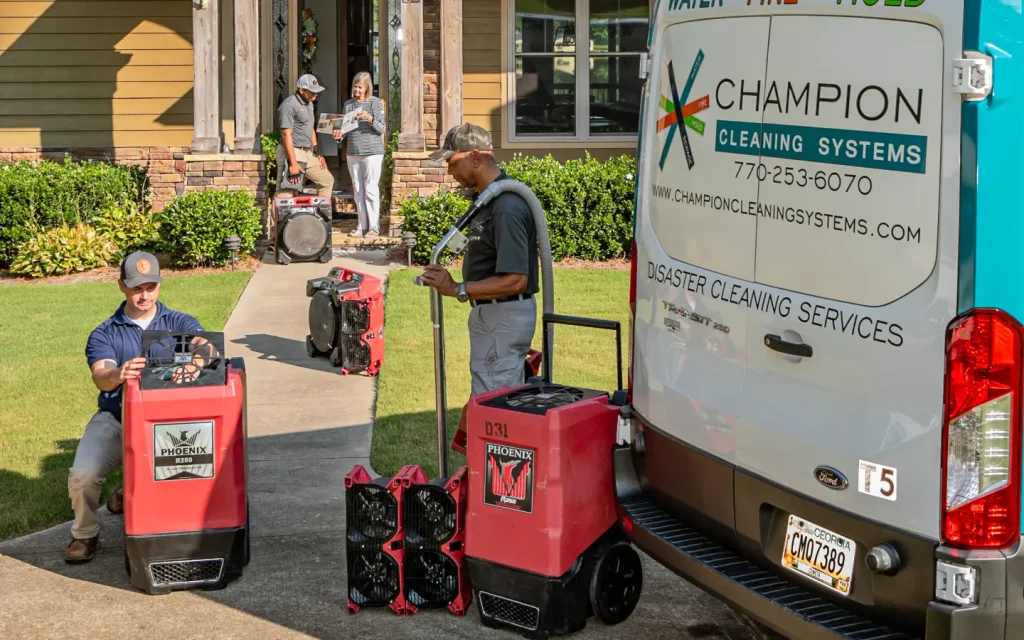
So you decided that you want a career in restoration, but where to start?
Step 1: Begin with Online Training
Before stepping onto a job site you need to have a firm grasp of the basics. For this same reason, many restoration companies use online training programs to prepare new hires before their first day.
If you want to get ahead of them and get job ready, check out our Reets TV for a self-paced 25-day water restoration training program that introduces you to water extraction, drying science, equipment use, and safety protocols. After completing this training, you will have a clear advantage over other candidates.
Download the 25-Day Training Schedule
Step 2: Get On-the-Job Training
After you get hired, you can expect to be paired with an experienced technician who will show you the ropes. Use this to your advantage and learn everything you can before moving on to more advanced restoration work.
Step 3: Get Certified
Like we said before, certification is the best way to prove your skills and advance in this industry. Most restoration companies will require certification for higher-level roles, so getting certified early can only lead to better job opportunities for you.
- Water Damage Restoration Technician (WRT)
- Fire and Smoke Restoration Technician (FSRT)
- Applied Microbial Remediation Technician (AMRT)
Step 4: Continue Training and Expand Your Skills
Even after you get your certification, ongoing education is always useful as there is a lot to learn and forget. Many restoration technicians use programs like Reets TV for weekly refreshers on drying science, equipment use, and restoration techniques. There, you can also find training courses in estimating, which will teach you how to make profitable estimates and sketch like a pro.
Want to learn estimating? Check out the Estimating Pro Series
Take the First Step Toward Your Career with Reets Drying Academy
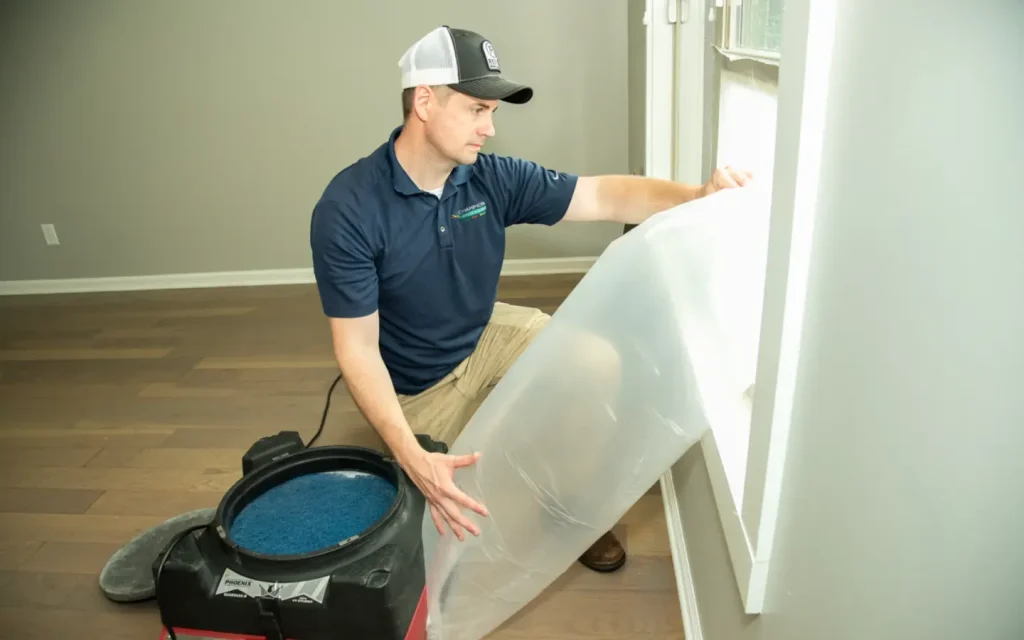
Working in the restoration industry is a special calling. If you are a hands-on work type of person and you enjoy solving problems and making a real impact on people’s lives, then this is the career for you.
Here at Reets Drying Academy, we want to help you kickstart your career with top-tier training led by industry experts with decades of experience. If you’re ready to take the next step, check out our training programs and start your journey in restoration today.
To make it easier to get started, we offer special discounts on some of our courses. Check our latest deals and save on your training while they last!

Nick Sharp
Nick Sharp has worked with Jeremy Reets for nearly 2 decades. He started in carpet cleaning and mitigation before moving to the construction side as a project manager. He then was the senior estimator for Champion Construction for over 8 years. Since its inception in 2015, Nick has been an instructor of our Restoration Estimating & Negotiating course. His most recent venture is as a restoration estimate consultant. Nick is an Xactware Certified Trainer and also has his Levels 1-3 Xactimate Certifications. He’s a bad boy on that sketch but better at finding where you may be losing money!


770-712-7293