Table of Contents:
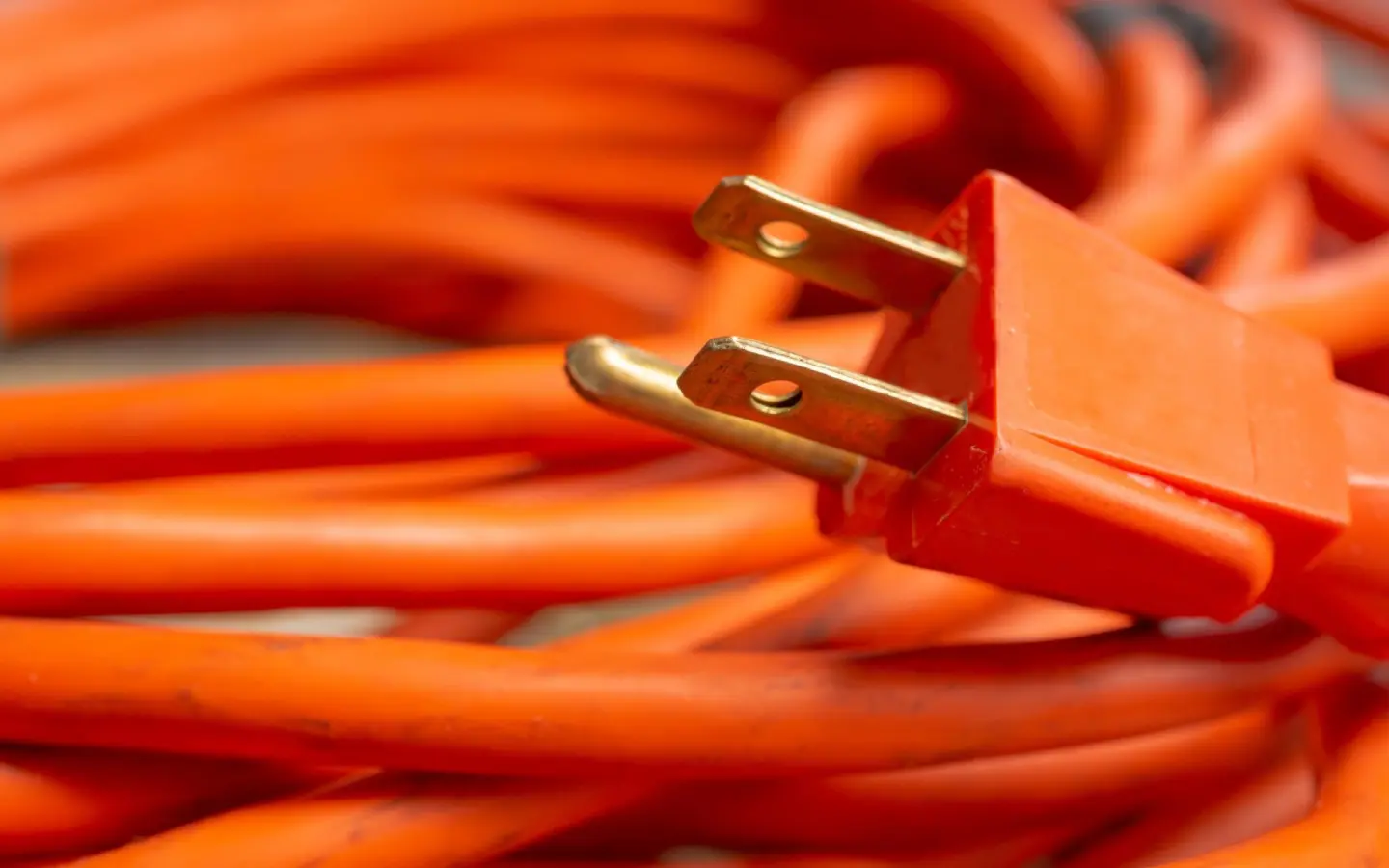
Extension cords are a necessary tool for any water restoration company. However, using extension cords comes with some inherent risks to health and safety. These hazards are magnified as we are dealing with water damage.
How can you eliminate or manage these risks? Simply, learn how to wrap an extension cord properly. What is the best way to wrap an extension cord? We are going to teach you how to roll up an extension cord without tangling.
Why Wrapping Your Extension Cord Correctly is Important
Keeping extension cords in good working condition is important. According to OSHA 1910.334(a)(2)(i), “… extension cords shall be visually inspected before use on any shift for external defects (such as loose parts, deformed and missing pins, or damage to outer jacket or insulation) and for evidence of possible internal damage (such as pinched or crushed outer jacket).”
What does this mean for you? Per federal law, you must inspect your extension cords before using them. What are you looking for? You’re inspecting them for signs of damage to the exterior or potentially the interior of the cord. Damaged cords can lead to electrical shock.
Step-by-Step Instructions on How to Wrap an Extension Cord

Step 1
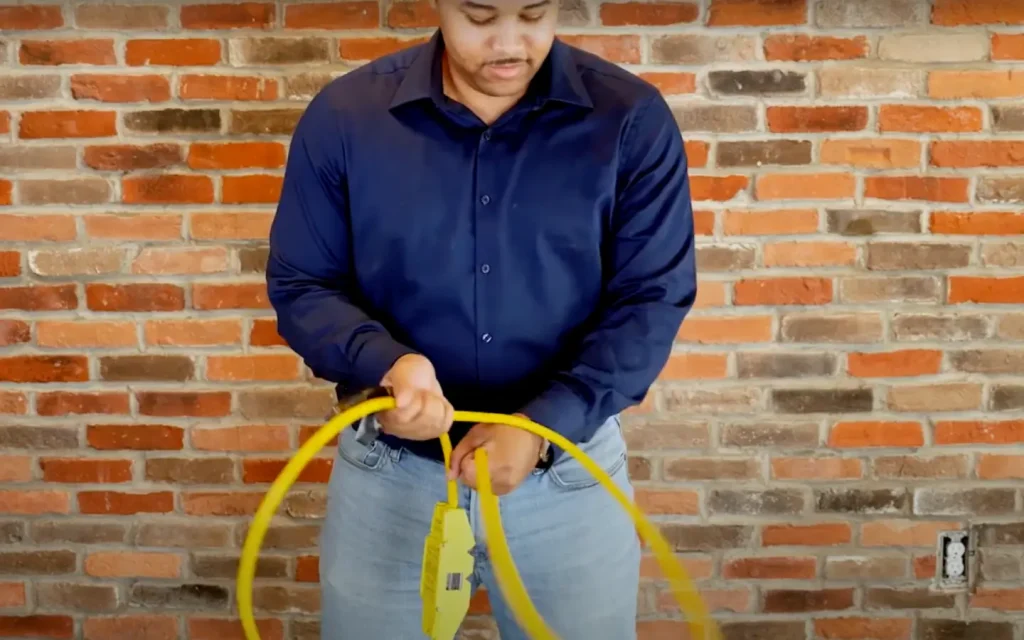
Start off with the cord in your dominant hand and make one regular loop with your other hand.
Step 2
Then, you take your other hand and create a second loop by turning it underneath the initial loop. This part takes a little work to get comfortable with. You will need to turn your wrist to make this second loop. Allow the cord to slide along your forearm to guide it along. With a little patience and practice, this second loop will become second nature.
Step 3
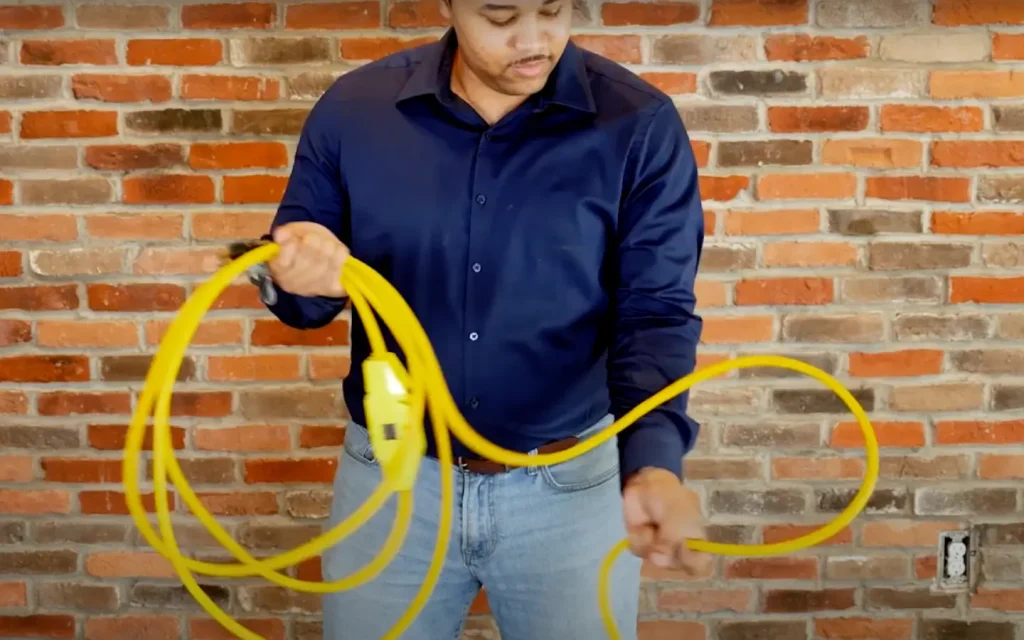
Repeat by alternating the loop over, then under, over and then under until you reach the end. Once the entire cord is rolled up, secure it with a velcro strap and hang it properly to mitigate any trip hazards.

By coiling an extension cord this way, you can release the cord without tangling. This will reduce crimping, knotting and other damage that would increase the risk to employees safety. To unwrap the cord, plug the cord into the wall and just pull. Try to keep cords neat when using them on a project.
The look of the project is one reason, but more important is the safety of the property owner. If your cords are tangled and running all over the floor, there is a higher chance the property owner will trip and fall. The health and safety of your employees and the property owner should be your top priority.
Bad Methods and Most Common Mistakes When Wrapping an Extension Cord

One common method a lot of people use to roll up extension cords is taking the extension cord inside of their hand and then roll it over their shoulder. This may seem easier up front, but it can cause tangling. How do you know? When you try to unravel the cord, many times it is in knots. This can cause technicians to pull and tug the cord to detangle it. Over time, this can cause damage to the cord.
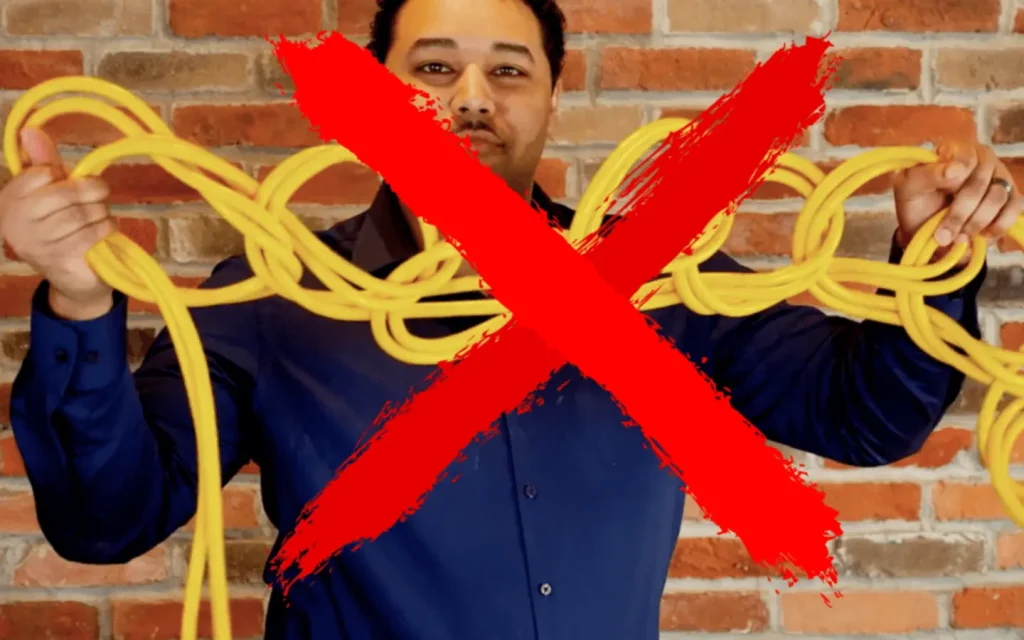
Another method used to wrap an extension cord is to take the cord and braid it. When the braid is complete, you grab one end and pull it. The issue with wrapping your extension cord this way is when you hang the extension cord. Sometimes the cord can leave five, six, seven, eight feet lengths of extension cord. Not good.
Conclusion
So how do you wrap an extension cord and prevent tangling? There are a few different methods. Set up procedures that ensure the extension cords are properly cared for and maintained per OSHA regulations. This includes regular inspections, repairing frayed or exposed wires and/or replacing damaged extension cords.
Do you need help establishing a system that can help ensure your company maintains OSHA compliance? Check out the ReetsTV Health and Safety Management System. That program contains written programs that you can tailor to your company for OSHA compliance. It also contains self-paced video training that helps you establish a culture of safety in your company. The IICRC Health and Safety Technician course also details what OSHA regulations you should be concerned about when performing water restoration.

Nick Sharp
Nick Sharp has worked with Jeremy Reets for nearly 2 decades. He started in carpet cleaning and mitigation before moving to the construction side as a project manager. He then was the senior estimator for Champion Construction for over 8 years. Since its inception in 2015, Nick has been an instructor of our Restoration Estimating & Negotiating course. His most recent venture is as a restoration estimate consultant. Nick is an Xactware Certified Trainer and also has his Levels 1-3 Xactimate Certifications. He’s a bad boy on that sketch but better at finding where you may be losing money!


770-712-7293